The people behind EthiCA

Expertise across ethics, law and biomedical innovation.

Meet the specialists supporting responsible research, privacy and emerging technologies.

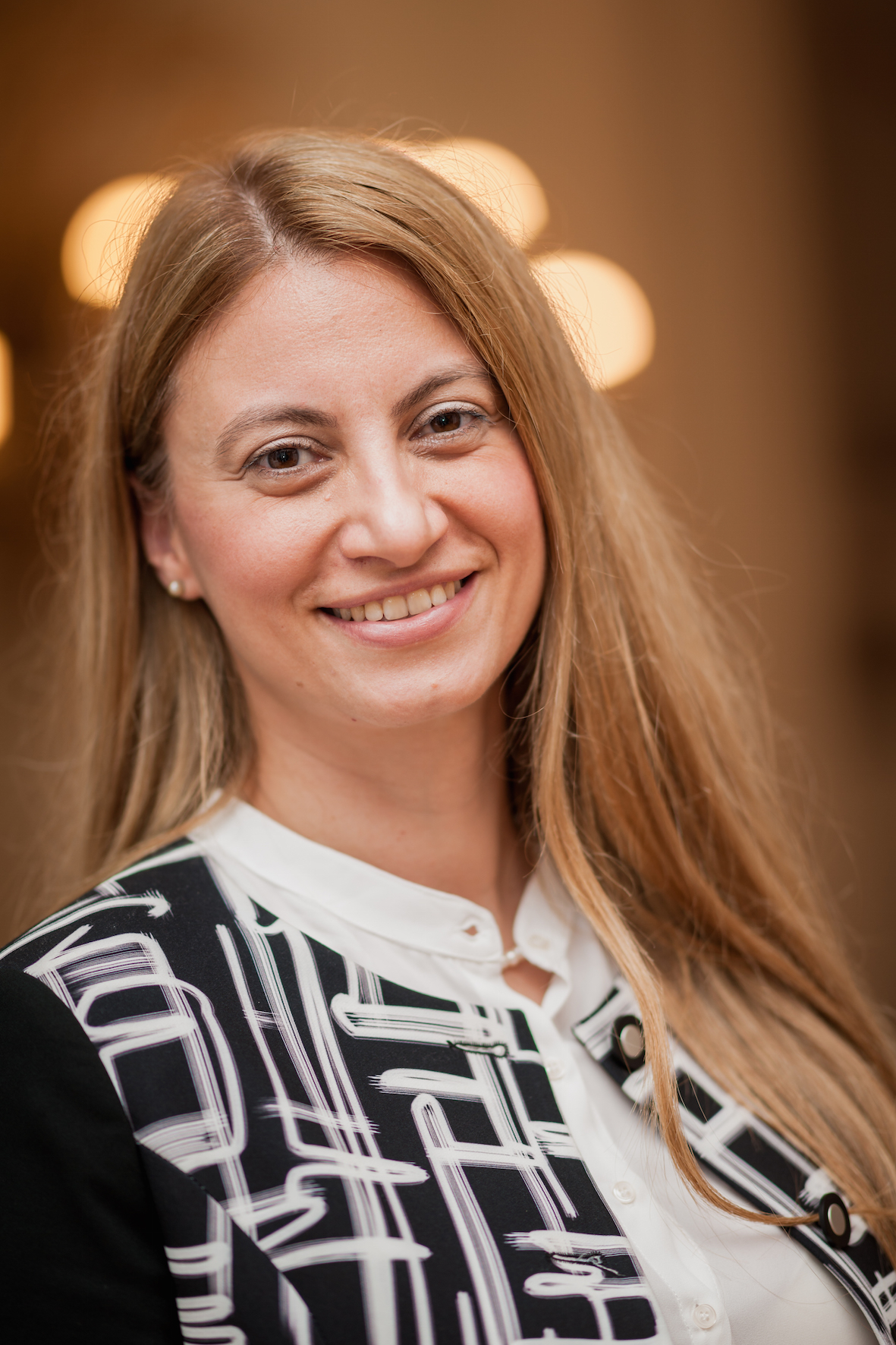
Dr. Başak Kale
Director

Dr. Başak Kale

Oxon (DPhil.), LSE (MSc.)

Dr. Başak Kale brings extensive experience as an independent ethics expert for the European Commission, covering project development, management, monitoring, auditing and assessment in research, business ethics and the social sciences.

Her teaching and research appointments have included UBC, Simon Fraser University, Harvard, UC Berkeley, Hitotsubashi University, Boğaziçi University and METU. She has consulted for UNHCR, the Council of Europe, OSCE and the UN.

Qualifications: DPhil (University of Oxford), PhD (METU), MSc (LSE), BSc (METU).

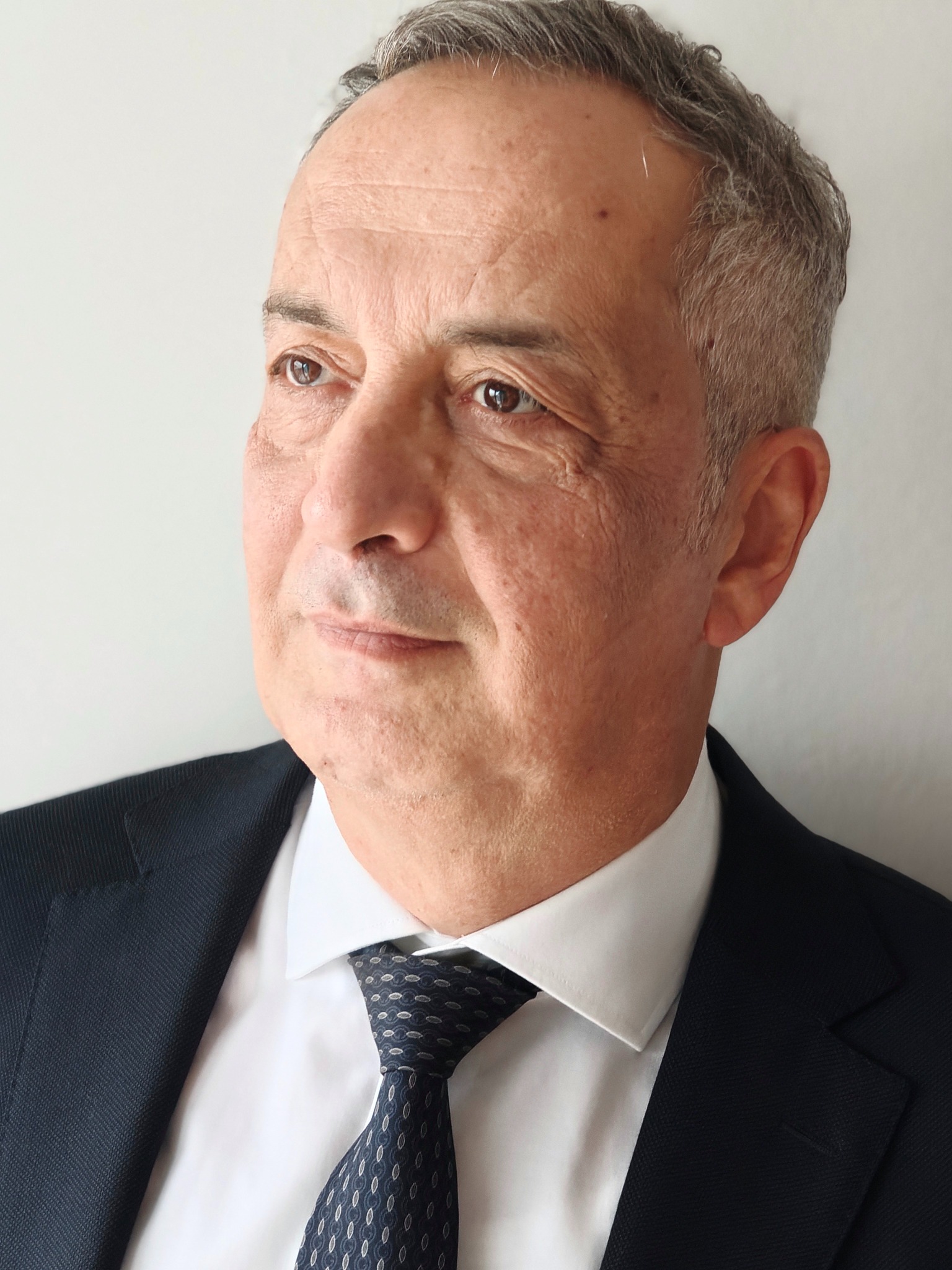
Portrait of Konstantinos Gkatzis

Konstantinos Gkatzis, Ph.D.

Dr. Konstantinos Gkatzis is a biomedical scientist, biotechnology entrepreneur, and innovation expert with over 20 years of experience in drug discovery, preclinical development, cardiovascular research, stem cell biology, and emerging biomedical technologies.

His scientific and technical expertise encompasses human pluripotent stem cells, human embryonic tissues, organoids, organ-on-chip systems, human cell-based disease models, phenotypic screening, and AI-enabled drug discovery, with particular emphasis on translational research and the development of innovative therapeutic and screening platforms.

He is currently CTO and Co-Founder of VICAP AI (vicapai.io) and previously served as COO and Co-Founder of KSILINK/Myrtil Biotechnologies, where he led drug discovery and biotechnology development programmes. He also served as Investment Principal at Solyco Capital UK and Europe and has extensive experience in technology commercialisation, intellectual property-driven innovation, and translating scientific discoveries into commercially viable applications.

As a European Commission scientific expert, he has evaluated over 400 research and innovation proposals representing approximately €1.5 billion in funding requests, developing substantial experience in scientific assessment, innovation evaluation, research project risk analysis as well as scientific ethical compliance.

His interests in ethics advisory and technical consultancy focus on the responsible development and application of advanced biomedical technologies, particularly where scientific innovation intersects with ethical considerations, human biological materials, AI, data privacy and clinical translation.

Konstantinos’ Specific Areas of Interest for Ethics Advisory and Technical Consultancy

  • Human stem cell and embryonic tissue research: Ethical considerations surrounding human pluripotent stem cells, embryonic tissue, human biological materials, consent, provenance, and responsible research practices.
  • Organoids and organ-on-chip technologies: Ethical and scientific oversight of human cell-derived models, advanced in vitro systems, and emerging alternatives to animal experimentation.
  • Drug discovery and preclinical development: Scientific and ethical evaluation of therapeutic discovery programmes, phenotypic screening, preclinical models, and translational research.
  • Cardiovascular research: Technical assessment and ethical considerations in cardiovascular disease modelling, human cell-based platforms, and therapeutic development.
  • AI-driven drug discovery: Responsible AI, algorithmic transparency, data governance, bias, and validation of AI-enabled biomedical research platforms.
  • Research commercialisation and translation: Ethical considerations in intellectual property, exploitation of research results, industry–academic collaboration, technology transfer, and commercial use of human-derived research materials.
  • Independent scientific and technical evaluation: Expert review of Horizon Europe and UK-funded projects, including scientific feasibility, technological risk, research integrity, and responsible innovation.
Portrait of Giannis Kyriakidis

Giannis Kyriakidis, Ph.D.

Dr. Kyriakidis is an accomplished lawyer with over 28 years career in legal advisory and representation specializing in data protection law, IT Law, Immigration Law and Public Law.  He has a proven track record in implementing GDPR compliance strategies. He has ten years of experience as an independent Ethics Expert for the European Commission.

He has ethically evaluated and monitored more than 400 research and innovative projects. He is also a Certified Adult Educator with extensive teaching experience (Greek National School of Public Administration and Local Government (ESDDA).

He combines legal expertise, institutional knowledge and high professional integrity with educational leadership to train professionals on complex regulatory and ethical frameworks, including public governance, data protection, AI law and human rights. His current work focuses on the ethical and responsible development, deployment, and use of artificial intelligence, AI governance, and the evolving legal and regulatory landscape surrounding emerging technologies. He is particularly committed to promoting transparency, accountability, fairness, and human rights in AI-driven decision-making, while supporting organisations in developing robust ethical compliance frameworks and responsible AI practices.

Portrait of Charles Meyer

Charles B. Meyer, BCL (Oxon), JD, FCIArb, Registered US Patent Attorney

Charles Meyer is a US-licensed technology lawyer, patent attorney and arbitrator focused on the legal aspects of artificial intelligence. He brings more than 35 years of experience in intellectual property, data protection, corporate law and regulatory compliance to questions of AI law, ethics and governance, particularly how to keep humans meaningfully involved as AI enters legal and business decision-making.

He trained as an engineer, earning a BSc. in Systems Engineering from the University of Virginia and an MSc. in Operations Research from George Washington University. He began his engineering career at the Pentagon. He then spent four years as a USPTO patent examiner, supporting the international negotiations that produced TRIPS, while earning his JD at American University Washington College of Law, where he was the only law student appointed to the ABA Standing Committee on Law and National Security. He later served as Chief Legal Officer of Research In Motion (BlackBerry) and as the senior officer of its European subsidiary in Surrey. He then earned his BCL at the University of Oxford and, in 2025, a Postgraduate Certificate in Generative AI for Business Applications from the McCombs School of Business at the University of Texas at Austin.

He is admitted to practise law in Texas, Ohio and Maryland, and practises through his own firm in Texas, advising on patents, trademarks, privacy, arbitration and technology matters. He also serves as an AI Legal Expert on projects for several of the world's leading AI labs, evaluating and improving the output of large language models. He is an arbitrator with DecisionLayer, an AI-powered online arbitration platform, where he serves as the human decision-maker with final authority over AI-assisted rulings. As an instructor at AltaClaro, he taught legal professionals prompt engineering and AI literacy. He has taught as a Visiting Assistant Professor at the University of Houston Law Center and the University of Pittsburgh School of Law, and has published commentary in Bloomberg Law, Law360 and IPWatchdog. His experience in the US, Canada and the UK gives him a genuinely transatlantic view of AI regulation.

His interest in AI ethics grows out of this combination of engineering and law. He is particularly concerned with ensuring that human judgement and participation in problem-solving endure as AI systems grow more capable, and with the question of who should make AI governance decisions. He argues that AI is the first regulatory subject to demand more than a purely cost-benefit analysis, and that ethical considerations must not be sidelined as industry self-regulation takes hold. He follows closely the work of initiatives such as the Rome Call for AI Ethics, and has maintained a long-standing interest in the intersection of national security law and technology.

Charles’ Specific Areas of Interest for Ethics Advisory and Technical Consultancy

  • AI governance: Who should make AI governance decisions, and how to design oversight frameworks that go beyond pure cost-benefit analysis.
  • Human oversight of AI: Keeping humans meaningfully in the loop in AI-assisted decision-making, including in courts and dispute resolution.
  • AI in legal practice: Responsible use of generative AI by lawyers and courts, covering verification, disclosure, confidentiality and professional ethics.
  • Data protection and privacy: GDPR and US privacy compliance as the foundation for AI governance, including data processing, consent and impact assessments.
  • AI and intellectual property: Inventorship, authorship and attribution where humans and AI systems work together.
  • LLM evaluation: Assessing large language model output for accuracy, bias, sycophancy and reliability.